
Text prompts ask the AI to imagine. Single reference images ask the AI to see. Multi-image prompting asks the AI to understand multiple visual concepts simultaneously and synthesize them into a cohesive result. This advanced technique gives you unprecedented control over AI generation by separating different aspects of the creative process into distinct visual inputs.
Instead of struggling to describe complex compositions in words or relying on a single reference image that may not capture all your requirements, multi-image prompting lets you provide separate visual guidance for structure, content, and style. The AI then intelligently combines these inputs according to your specifications. This guide shows you exactly how to master this powerful technique for fashion design, concept art, product visualization, and marketing applications.
Understanding the Three-Image Framework
Multi-image prompting works by assigning different roles to different reference images. Each image provides specific guidance without conflicting with the others. The key is understanding what each image type controls and how to balance their influence.
1. Structure Image (The Blueprint)
The structure image defines the composition, layout, pose, and spatial relationships. This is your architectural foundation—the underlying framework that determines where everything goes.
What structure images control:
- Composition and framing: How elements are arranged within the frame
- Pose and positioning: Where subjects are placed and how they are oriented
- Perspective and angle: Camera viewpoint and spatial relationships
- Proportions and scale: Relative sizes of different elements
- Basic shapes and forms: Underlying geometry of the scene
Effective structure image types:
- Line drawings and sketches
- Stick figure poses
- Wireframe models
- Basic shape compositions
- Photographs with strong compositional elements
Pro tip: Structure images work best when they are simple and clear. Avoid detailed textures or complex colors that might confuse the AI about what aspects to preserve.
2. Content Image (The Subject)
The content image provides the specific subject matter, objects, or elements you want to include in the final output. This is your raw material—the actual things that will appear in the scene.
What content images control:
- Specific objects: The exact items, products, or subjects to include
- Material properties: Texture, surface quality, physical characteristics
- Color information: Base colors and color relationships
- Detail level: Amount of fine detail and complexity
- Brand elements: Logos, specific product designs, unique identifiers
Effective content image types:
- Product photographs
- Material swatches
- Reference photos of specific objects
- High-quality images of subjects
- Detail shots of key elements
Pro tip: Content images should be well-lit and in focus. The AI needs to clearly understand what you are providing as source material.
3. Style Image (The Aesthetic)
The style image defines the visual treatment, mood, atmosphere, and artistic approach. This determines how everything looks—the final visual language applied to the structure and content.
What style images control:
- Artistic style: Painting technique, illustration approach, visual aesthetic
- Lighting and mood: Brightness, contrast, emotional atmosphere
- Color palette: Overall color scheme and tonal relationships
- Texture and brushwork: Surface quality, artistic marks, visual grain
- Composition style: Visual rhythm, balance, artistic conventions
Effective style image types:
- Artwork in desired style
- Photographs with specific lighting/mood
- Design examples with target aesthetic
- Color palette references
- Mood board images
Pro tip: Style images should exemplify the aesthetic you want, not necessarily contain the same subject matter. A landscape painting can provide style guidance for a product shot.
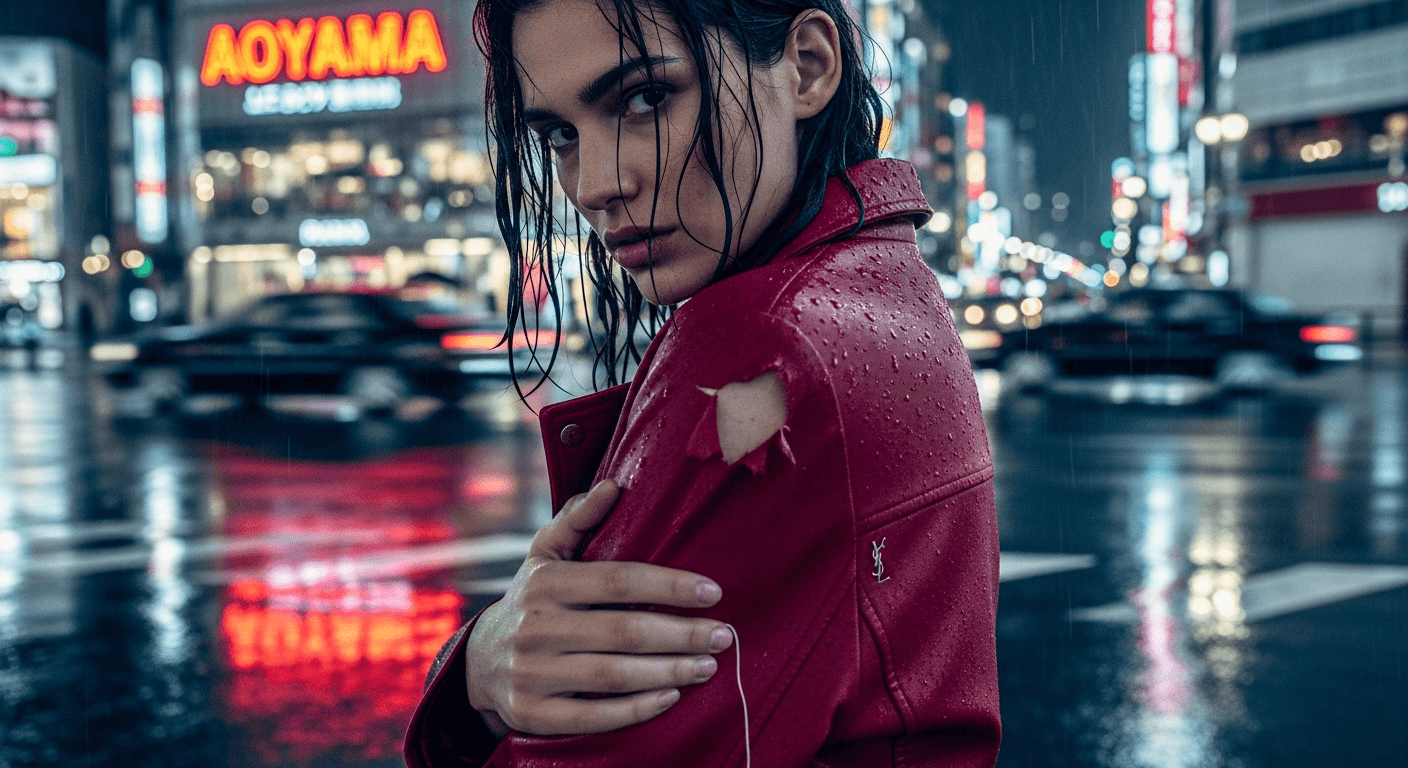
The Blending Process: How AI Combines Multiple Images
When you provide multiple reference images, the AI analyzes each one separately, extracts the relevant information based on its role, and then synthesizes these elements into a coherent final image. This process involves several sophisticated techniques:
Feature extraction: The AI identifies key visual features in each reference image—edges, shapes, colors, textures, patterns—and encodes them into mathematical representations.
Role-based weighting: Each image's features are weighted according to its assigned role. Structure images influence spatial relationships more heavily. Content images determine specific objects and materials. Style images guide overall aesthetic treatment.
Cross-attention mechanisms: The AI compares features across different images to find compatible elements and resolve potential conflicts. For example, if the structure image shows a person sitting and the content image shows standing legs, the AI must decide how to reconcile this.
Progressive refinement: The generation process typically happens in stages, starting with rough composition based on structure, adding content details, then applying style treatment. Each stage builds on the previous one.
Weighting and Balancing: Controlling Image Influence
Not all reference images should have equal influence. Sometimes you want the structure to dominate. Other times, style should take precedence. Most multi-image prompting systems allow you to control the relative weight or strength of each reference image.
Understanding weight parameters:
- Structure weight (0.0-1.0): How strongly the AI adheres to the structure image's composition
- Content weight (0.0-1.0): How faithfully the AI reproduces content image elements
- Style weight (0.0-1.0): How heavily the AI applies the style image's aesthetic
Weight balancing strategies:
High Structure, Medium Content, Low Style
Use case: Product visualization where exact placement matters
Weights: Structure 0.8, Content 0.6, Style 0.3
Result: Precise composition with accurate product representation and subtle style influence
Medium Structure, High Content, Medium Style
Use case: Fashion design with specific garments in creative compositions
Weights: Structure 0.5, Content 0.9, Style 0.6
Result: Flexible composition that showcases specific clothing items with strong style treatment
Low Structure, Medium Content, High Style
Use case: Artistic interpretation of objects or concepts
Weights: Structure 0.3, Content 0.5, Style 0.9
"The key to successful multi-image prompting is understanding that you are not just providing references—you are giving the AI specific instructions about what aspects of each image to prioritize. Weighting gives you precise control over this balance."
Practical Applications and Workflows
Fashion and Apparel Design
Multi-image prompting revolutionizes fashion design by allowing designers to swap fabrics, colors, and styles without reshooting models or creating physical prototypes.
Fashion design workflow:
- Structure image: Model pose photograph or fashion sketch
- Content image: Fabric swatch, texture reference, or specific garment detail
- Style image: Desired aesthetic (streetwear, haute couture, vintage, etc.)
- Prompt: "Fashion photograph, [garment description], professional lighting"
- Weights: Structure 0.7, Content 0.8, Style 0.6
Example applications:
- Visualize the same dress in different fabrics (silk, cotton, leather)
- Show how a jacket looks in various colors without physical samples
- Adapt clothing designs to different body types and poses
- Create seasonal variations of core designs
- Generate lookbook images without photoshoots
Concept Art and Illustration
Concept artists can rapidly explore visual ideas by combining structural sketches with different stylistic treatments and content elements.
Concept art workflow:
- Structure image: Rough thumbnail sketch or compositional study
- Content image: Reference photos of specific elements (architecture, creatures, props)
- Style image: Artistic inspiration (concept art, paintings, illustrations)
- Prompt: "[Subject description], dramatic lighting, detailed"
- Weights: Structure 0.6, Content 0.7, Style 0.8
Example applications:
- Explore multiple visual directions for the same concept
- Combine architectural elements from different references
- Apply different artistic styles to the same composition
- Iterate quickly on character designs and environments
- Create mood boards and style frames efficiently
Product Marketing and Advertising
Marketers can create diverse advertising visuals by placing the same product in different contexts, styles, and compositions.
Marketing workflow:
- Structure image: Product placement diagram or compositional sketch
- Content image: High-quality product photograph
- Style image: Brand aesthetic reference or campaign mood board
- Prompt: "Professional product photography, [context description]"
- Weights: Structure 0.7, Content 0.9, Style 0.7
Example applications:
- Create lifestyle shots showing products in use
- Generate seasonal campaign variations
- Adapt product visuals for different target audiences
- Produce social media content at scale
- Test different visual approaches before committing to photoshoots
Troubleshooting Common Issues
Issue: Images Conflict or Cancel Each Other
Symptom: The AI produces muddy, confused results when reference images have contradictory elements
Solution: Simplify your references. Use cleaner structure images without detailed content. Ensure content and style images are compatible. Adjust weights to prioritize the most important element.
Issue: Structure Is Ignored
Symptom: The composition does not match your structure image
Solution: Increase structure weight. Simplify the structure image to emphasize key compositional elements. Use stronger, clearer lines or shapes in your structure reference.
Issue: Content Details Are Lost
Symptom: Specific objects or details from your content image do not appear
Solution: Increase content weight. Use higher-resolution content images. Ensure the content image is well-lit and in focus. Add descriptive text prompts to reinforce key elements.
Issue: Style Overwhelms Everything
Symptom: The output looks like the style image regardless of your other inputs
Solution: Decrease style weight. Use style images that are more about treatment than specific subject matter. Ensure your structure and content images are strong and clear.
Issue: Output Looks Artificial or Uncanny
Symptom: The combination feels forced or unnatural
Solution: Choose more compatible reference images. Adjust weights for better balance. Use text prompts to guide the blending process. Generate multiple variations and select the most natural-looking result.
Advanced Techniques
Progressive Refinement
Instead of trying to get perfect results in one step, use a multi-stage approach:
- Generate initial output with balanced weights
- Review results and identify what needs adjustment
- Adjust weights and regenerate
- Use the best output as a new reference for further refinement
- Iterate until you achieve the desired result
Hybrid Text and Image Prompting
Combine multi-image inputs with detailed text prompts for even greater control:
- Use images for structural and stylistic guidance
- Use text to specify details not present in references
- Use negative prompts to exclude unwanted elements
- Use weighting syntax in text prompts to emphasize key elements
Batch Processing for Variations
Generate multiple variations by systematically adjusting weights:
- Create a base set of reference images
- Generate outputs with different weight combinations
- Compare results to understand how weights affect output
- Select the best combination for your needs
- Use successful weight settings as templates for future projects
Best Practices for Multi-Image Prompting
- Start simple: Begin with two images before adding a third
- Use high-quality references: Clear, well-lit, in-focus images work best
- Keep roles distinct: Don't use the same image for multiple roles
- Test weights systematically: Understand how each parameter affects output
- Document successful combinations: Build a library of proven workflows
- Combine with text prompts: Use words to reinforce and refine image guidance
- Generate multiple variations: AI has randomness—create several options
- Review at full resolution: Check details that may not be visible in thumbnails
Getting Started Today
You can begin experimenting with multi-image prompting right away:
- Gather reference images: Collect structure, content, and style examples
- Start with two images: Try structure + content or content + style first
- Experiment with weights: Adjust parameters to see how they affect output
- Document your process: Note which combinations work best for your needs
- Build your library: Save successful reference images and weight settings
Multi-image prompting transforms AI from a random generator into a precise creative tool. By separating different aspects of the creative process into distinct visual inputs, you gain control that text prompts alone cannot provide. This technique is particularly valuable for professional applications where precision, consistency, and specific visual requirements matter.
Ready to master advanced AI control techniques? Start experimenting with multi-image prompting today.