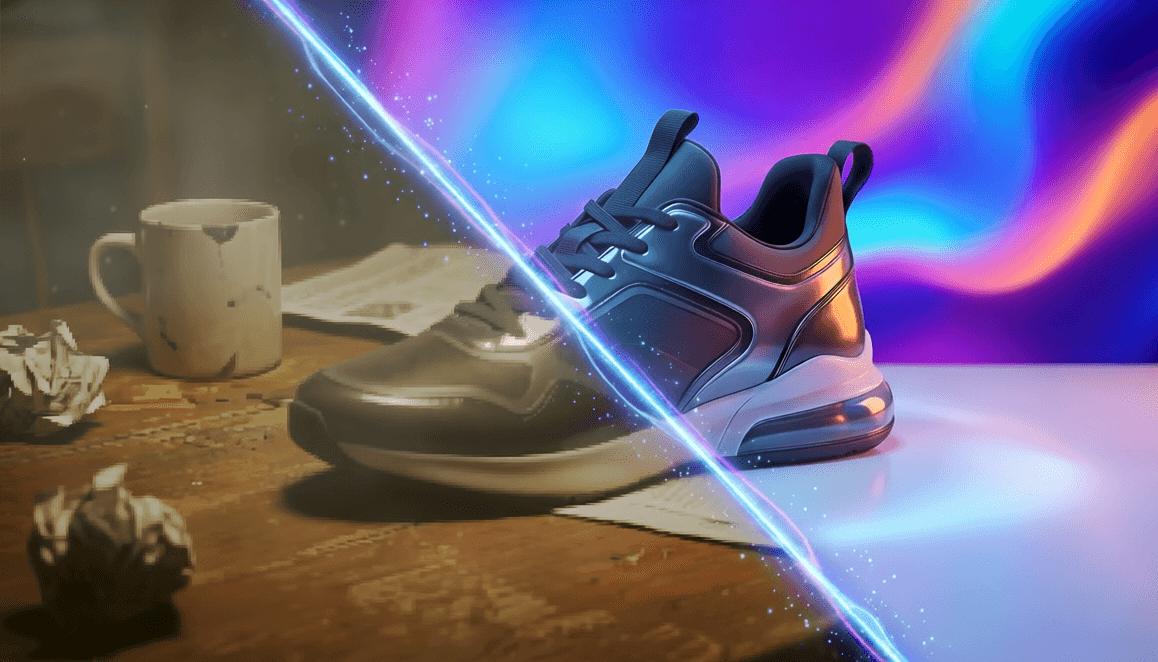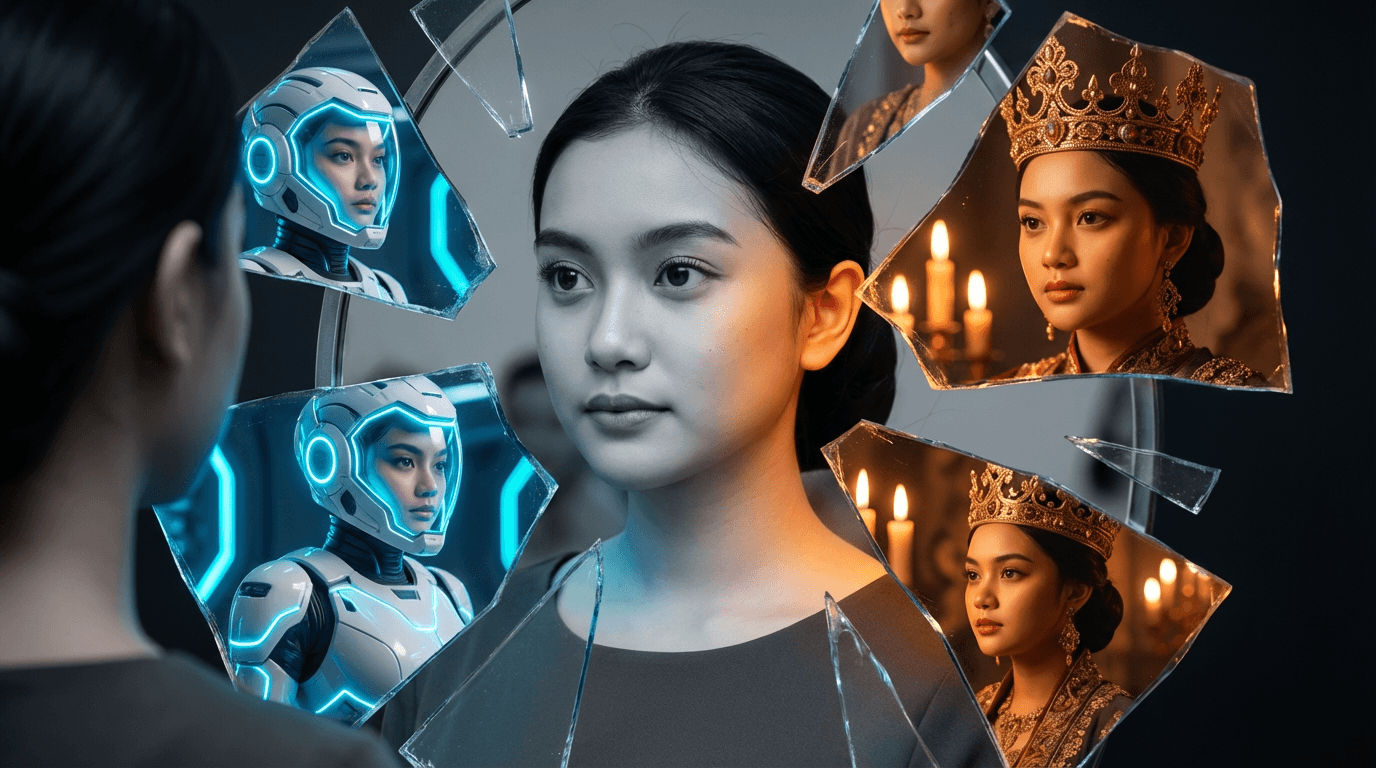

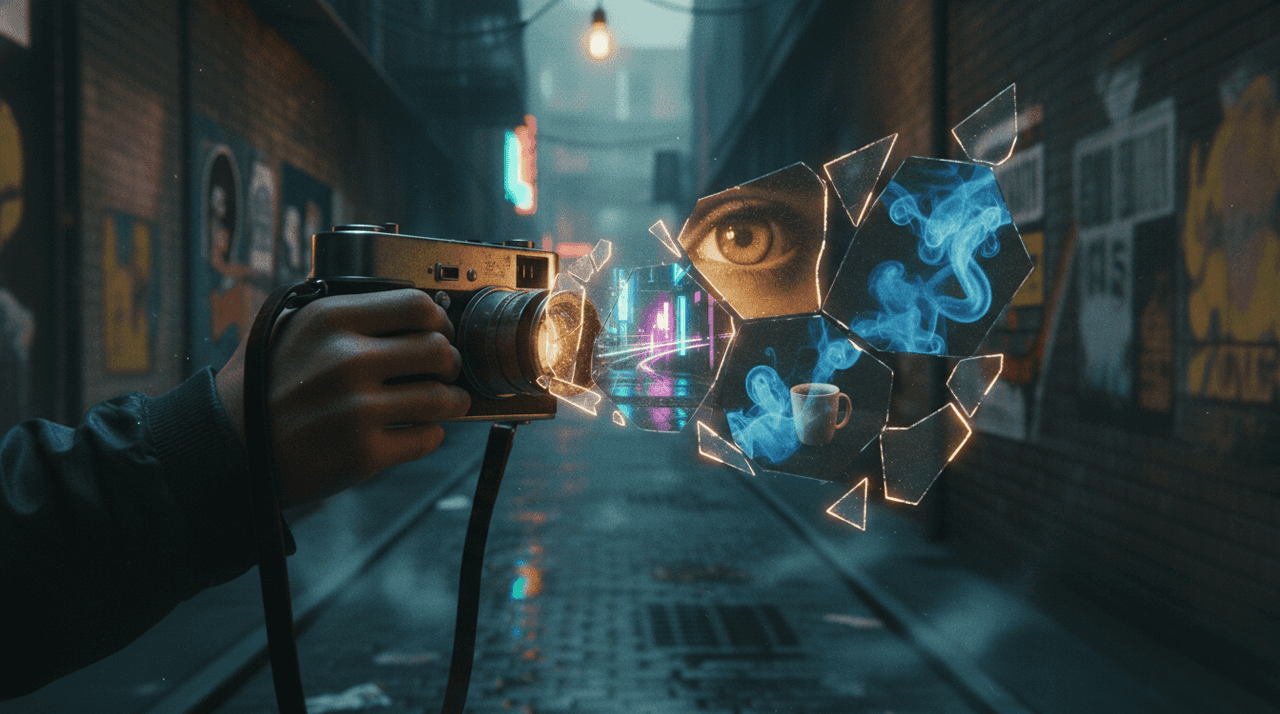
A technically perfect AI video with no story is forgettable. A slightly imperfect video with emotional resonance gets shared, remembered, and acted upon. Storytelling isn't optional in video—it's the difference between content that scrolls past and content that stops thumbs. AI gives you the camera; you provide the soul. This guide shows you how to build compelling narratives with AI video tools that work within current technical constraints.
Why Story Trumps Technical Perfection
Human brains are wired for narrative. We remember stories 22 times better than facts alone (Stanford research). When you show a product floating against a white background, viewers process it as an advertisement to ignore. When you show that same product solving a relatable problem within a human story, viewers process it as an experience to remember.
AI video tools excel at generating beautiful visuals, but they don't inherently understand narrative structure. That's your role as the creator: to provide the story framework that transforms disconnected clips into meaningful sequences. The technology executes; you direct.
1. Embrace Imperfection: The Humanity Principle
Paradoxically, hyper-polished AI video often feels artificial. Real human experiences contain subtle imperfections that signal authenticity. Strategic imperfection builds trust and emotional connection.
Humanizing techniques that work:
- Camera movement: "Slight handheld camera shake," "gentle breathing movement," "imperfect pan with natural acceleration/deceleration"
- Visual texture: "Subtle film grain," "natural lens flare when appropriate," "slight focus breathing"
- Lighting realism: "Practical light sources visible," "natural shadow falloff," "slight underexposure in shadows"
- Environmental details: "Dust motes in light beams," "slight lens dirt," "natural atmospheric haze"
Pro tip: Imperfection must feel intentional, not sloppy. A shaky camera should suggest documentary authenticity, not poor equipment. Grain should evoke film nostalgia, not low resolution. Always ask: "Does this imperfection serve the story or distract from it?"
2. The Mosaic Technique: Building Coherent Narratives from Short Clips
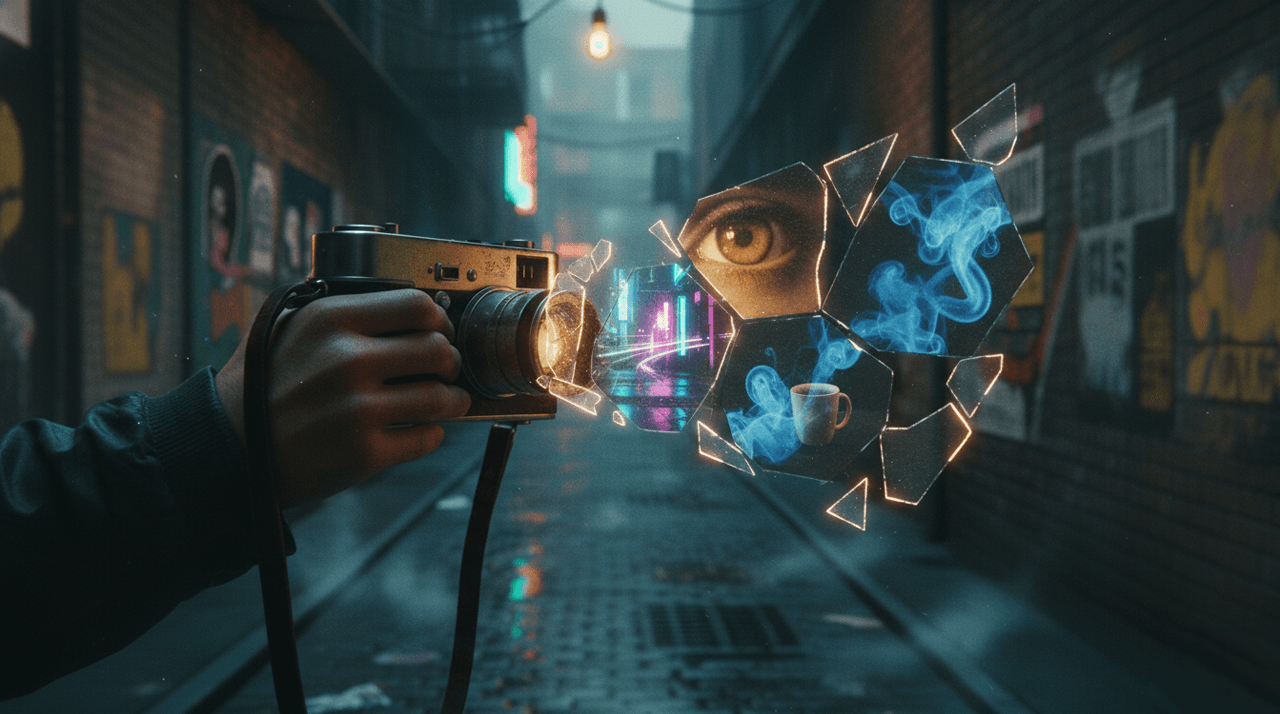
Current AI video models excel at 3-8 second clips but struggle with long-form coherence. Instead of fighting this limitation, embrace it with the mosaic technique: construct your narrative from carefully sequenced short clips that create meaning through juxtaposition.
How the mosaic technique works:
- Plan your story beats: Break your narrative into 4-7 key moments (not shots)
- Generate focused clips: Create one AI clip per story beat, 3-5 seconds each
- Sequence for meaning: Arrange clips so each transition creates new understanding
- Add connective tissue: Use sound design and music to bridge visual gaps
- Refine pacing: Adjust clip durations to control emotional rhythm
Example narrative sequence for a running shoe brand:
- Clip 1 (3s): Extreme close-up of tired eyes in pre-dawn darkness
- Clip 2 (4s): Feet hitting wet pavement, slow motion water splash
- Clip 3 (3s): Sun breaking over city skyline, warm light flooding scene
- Clip 4 (4s): Genuine smile emerging as runner hits stride
- Clip 5 (3s): Product shot integrated naturally—shoe detail as runner moves
When edited together with rising music and natural sound design, these disconnected clips create a cohesive emotional journey: struggle → effort → breakthrough → joy. The AI generated fragments; you built the story.
3. Emotional Storytelling: Mood Over Features
People don't buy products—they buy better versions of themselves. Your video should visualize the transformation your product enables, not just the product itself.
Shift from features to feelings:
| Feature-Focused (Weak) | Feeling-Focused (Strong) |
|---|---|
| "Our app has 256-bit encryption" | "Sleep soundly knowing your family's memories are protected" |
| "Memory foam mattress" | "Waking up refreshed after deep, uninterrupted sleep" |
| "Fast delivery service" | "The relief of a birthday gift arriving just in time" |
Translating feelings into visual prompts:
- For "security": "Warm lamplight in window at night, peaceful sleeping child, soft shadows"
- For "freedom": "Wind blowing through hair on open road, expansive landscape, unburdened expression"
- For "connection": "Hands reaching across table, genuine eye contact, shared laughter moment"
These abstract emotional concepts become concrete visual moments that build authentic brand connection.
"AI generates the pixels, but you provide the soul. The most technically perfect video fails without emotional truth. The slightly imperfect video with genuine feeling succeeds every time."
4. Practical Story Structure for Short-Form Video
Even 15-second videos benefit from narrative structure. Adapt the classic three-act structure for social media:
- Act 1 (0-3 seconds): Establish relatable problem or desire. Hook with emotional recognition.
- Act 2 (4-10 seconds): Show transformation or journey. Build emotional investment.
- Act 3 (11-15 seconds): Reveal resolution and new state. Connect to brand promise.
Example for productivity app:
- Act 1: Person overwhelmed by messy desk and sticky notes (relatable pain)
- Act 2: Quick cuts of organizing, prioritizing, gaining control (transformation)
- Act 3: Same person calm and focused, app interface visible but not dominant (resolution)
5. Sound Design: The Invisible Storyteller
AI video tools currently generate visuals only. Sound design becomes your secret weapon for narrative cohesion:
- Connect disparate clips: Consistent ambient sound bridges visual jumps
- Signal emotional shifts: Music swells at transformation moments
- Create rhythm: Sound effects punctuate key actions (footsteps, page turns)
- Build authenticity: Natural room tone and environmental sounds ground visuals
Always edit your AI clips with sound in mind. A 3-second clip of rain might feel incomplete alone, but with proper rain sounds and distant thunder, it becomes an atmospheric story moment.
6. Brand Integration Without Disruption
The biggest storytelling mistake: interrupting narrative flow for product shots. Integrate your brand naturally:
- Environmental placement: Product exists within story world (coffee cup on desk during work scene)
- Character interaction: Person uses product authentically within narrative action
- Visual motif: Brand colors/textures echo in environment without overt logos
- Resolution reveal: Product appears as natural culmination of transformation journey
When your product feels like part of the story world rather than an advertisement inserted into it, audiences accept it as authentic.
Getting Started: Your First AI Story Video
Create a simple 12-second narrative this week:
- Choose one emotion: Pick a single feeling your brand enables (relief, joy, confidence)
- Plan three beats: Problem → Transformation → Resolution (4 seconds each)
- Generate clips: Create one AI clip per beat using Wanoza's Video Generator
- Add sound: Layer free ambient sounds and subtle music
- Edit for pace: Trim clips to emotional beats, not arbitrary durations
- Test honestly: Show to someone unfamiliar with your brand—did they feel the intended emotion?
Technical perfection matters less than emotional truth. A slightly imperfect clip that conveys genuine feeling will always outperform a flawless but soulless visual.
Ready to tell stories that resonate, not just videos that impress? Start building emotional narratives with Wanoza AI video today.