

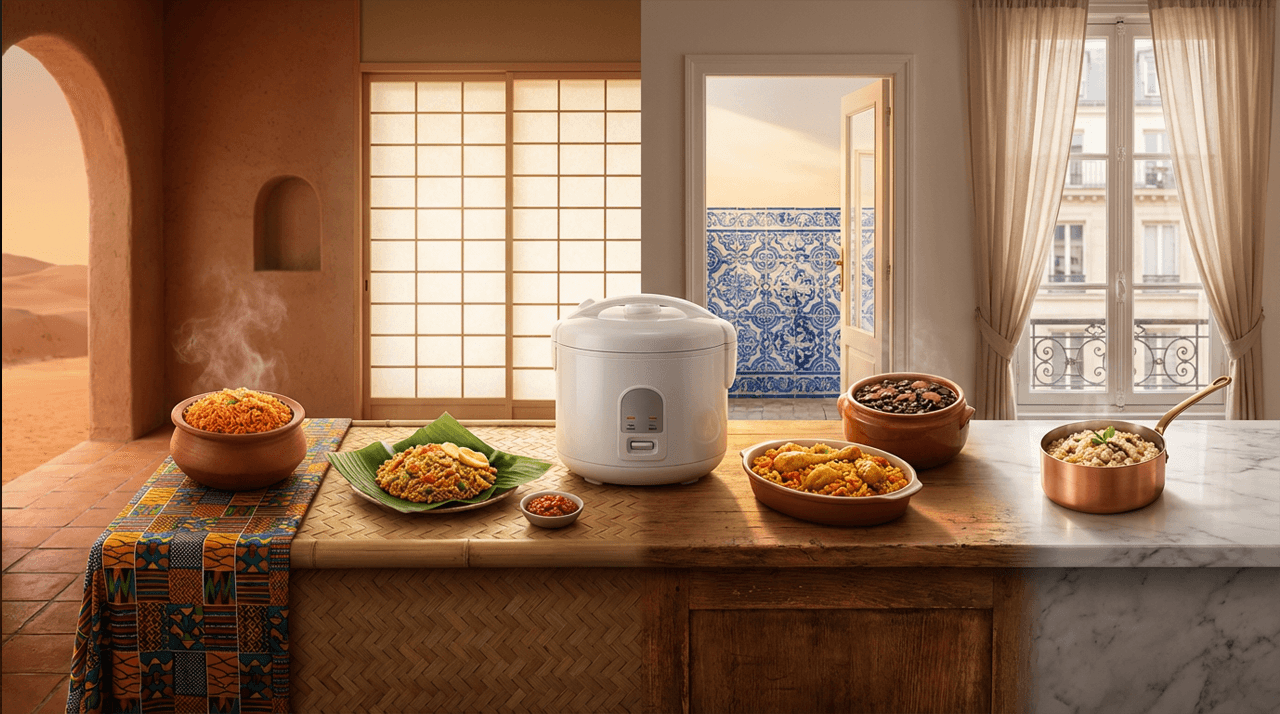
Global brands face a fundamental challenge: how to maintain brand consistency while adapting content for local markets. Simply translating text and using the same visuals everywhere creates a disconnect. A winter coat ad shot in New York feels out of place in Tokyo. A beer commercial featuring a German pub doesn't resonate in Australia. This cultural mismatch wastes marketing budget and weakens brand connection. AI-powered visual localization solves this problem by adapting the entire visual context to match each market's culture, aesthetics, and preferences.
At Wanoza, we help brands move from "global" to "multi-local" marketing—maintaining core brand identity while adapting visual elements to feel native in each market. This guide shows you exactly how to implement visual localization that builds stronger connections with international audiences.
The Visual Localization Gap
Most global marketing fails at visual adaptation. Brands invest in professional translation services but use the same stock photos, models, and settings everywhere. This creates a jarring experience for international audiences:
- Cultural disconnect: Products shown in unfamiliar contexts feel foreign and unrelatable
- Visual mismatch: Clothing, food, architecture, and lifestyle elements don't match local reality
- Brand dilution: Generic global campaigns fail to build meaningful local connections
- Wasted spend: Creative that doesn't resonate performs poorly, requiring higher ad spend to compensate
Visual localization bridges this gap by adapting the entire visual world of your content to match each market's cultural context while preserving your core brand message and identity.
What Visual Localization Actually Means
Visual localization goes beyond translation. It adapts the complete visual environment to feel native to each market:
1. Environmental Context
Change the physical setting to match local environments and architecture:
- Urban landscapes: Swap New York skyscrapers for Tokyo neon streets or Parisian Haussmann buildings
- Interior spaces: Adapt home interiors to local architectural styles (tatami rooms in Japan, open-plan in US, courtyard homes in Mediterranean regions)
- Natural settings: Show local landscapes, beaches, mountains, or parks that audiences recognize
- Weather and seasons: Adjust for local climate patterns and seasonal timing
2. Cultural Elements
Incorporate culturally relevant details that signal authenticity:
- Food and dining: Show local cuisine, table settings, and eating customs
- Home decor: Include region-specific furniture, textiles, and decorative elements
- Clothing and fashion: Adapt attire to local style preferences and climate norms
- Technology and devices: Show region-specific electronics, appliances, or vehicles
- Social customs: Depict culturally appropriate interactions, gestures, and gatherings
3. Demographic Representation
Feature people who look like and represent your local audience:
- Ethnic diversity: Match the ethnic composition of your target market
- Age ranges: Reflect local demographic patterns and family structures
- Lifestyle representation: Show activities, hobbies, and daily routines specific to the region
- Professional contexts: Depict work environments and career paths relevant to local economy
4. Color and Aesthetic Preferences
Different cultures have distinct visual preferences:
- Color symbolism: Adapt color palettes to align with local cultural meanings (white for weddings in West vs. funerals in some Asian cultures)
- Design aesthetics: Minimalist Scandinavian, vibrant Latin American, ornate Middle Eastern, etc.
- Typography preferences: Font styles and text layouts that feel native to each region
- Visual density: Adjust composition complexity based on local design preferences
Practical Implementation: The Three-Step Workflow
Visual localization doesn't require reshooting everything from scratch. Use this efficient workflow to adapt existing content for multiple markets:
Step 1: Create Your Master Asset
Start with a high-quality, culturally neutral base image that showcases your product or core message clearly:
- Isolate your product: Use clean backgrounds or transparent PNGs when possible
- Focus on universal elements: Highlight product features that transcend cultural boundaries
- Document your prompt: Save the exact prompt and settings used to create the master asset
- Establish brand elements: Define which visual elements must remain consistent across all markets
Step 2: Develop Market-Specific Prompt Libraries
Create a library of localization prompts for each target market. These prompts will transform your master asset into culturally appropriate versions:
- Research each market: Understand local aesthetics, cultural norms, and visual preferences
- Build prompt templates: Create standardized prompt structures for each market
- Include specific details: Reference local landmarks, cultural elements, and lifestyle details
- Test and refine: Generate samples, adjust prompts based on results
Example prompt library for a coffee brand:
- Japan: "Coffee mug on tatami mat in traditional Japanese room, shoji screen window, morning light, minimalist aesthetic, zen atmosphere"
- Italy: "Espresso cup on marble table in Italian café, cobblestone street visible through window, warm afternoon light, rustic charm"
- Brazil: "Coffee cup on wooden table in vibrant Brazilian kitchen, tropical plants, colorful tiles, morning sunlight"
- Sweden: "Coffee mug on light wood table in Scandinavian living room, large windows, minimalist decor, cozy hygge atmosphere"
Step 3: Local Review and Cultural Validation
Never skip human review from local team members or cultural consultants:
- Assemble local review team: Include native speakers and cultural experts from each market
- Create review checklist: Define specific criteria for cultural appropriateness
- Iterate based on feedback: Adjust prompts and regenerate based on local input
- Document learnings: Build knowledge base of what works for each market
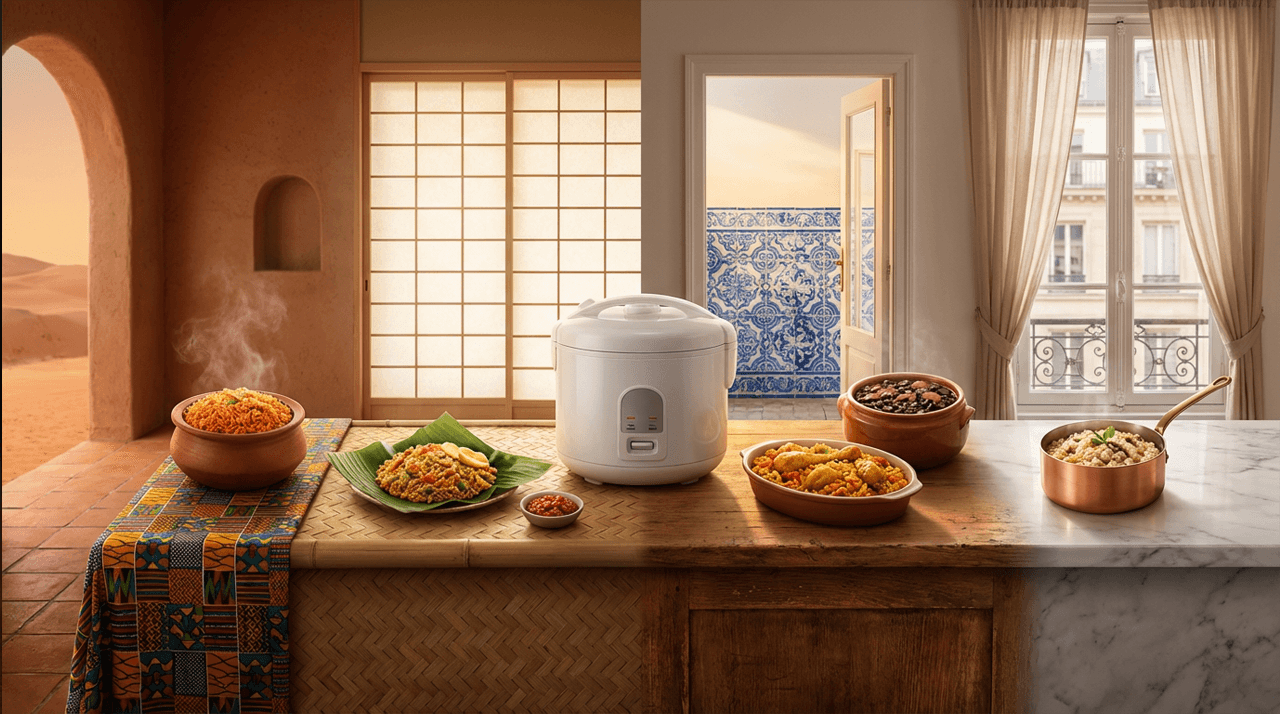
Real-World Examples of Visual Localization
Food Delivery App: "Dinner Time" Campaign
Challenge: Create consistent "Dinner Time" campaign across 50 markets
Master asset: Generic dinner table with food delivery box
Localized versions:
- United States: Pizza box on coffee table, family watching TV, casual living room setting
- France: Wine and cheese platter on dining table, French windows, elegant apartment interior
- India: Family sharing curry and naan on low table, traditional home setting, warm lighting
- Japan: Bento box on kotatsu table, tatami room, minimalist aesthetic
- Mexico: Tacos and salsa on colorful tablecloth, vibrant kitchen, family gathering
Result: 3.2x higher engagement in localized markets compared to generic global version
Fashion Retailer: Seasonal Campaign
Challenge: Adapt winter coat campaign for Northern and Southern hemisphere markets
Master asset: Model wearing winter coat against neutral background
Localized versions:
- Canada: Model in snowy urban setting, winter accessories, cold weather context
- Argentina: Same coat shown in autumn context (winter in Southern hemisphere), local urban setting
- Japan: Model in Tokyo winter street scene, local fashion context, seasonal appropriateness
- Australia: Marketing paused during summer months, resumed with localized autumn/winter context
Result: Eliminated seasonal timing confusion, increased conversion by 45% in adapted markets
"Visual localization isn't about changing your message—it's about changing the context so your message lands with the same impact in every market. The product stays the same; the world around it adapts."
Common Localization Mistakes to Avoid
- Surface-level changes only: Swapping flags or landmarks without deeper cultural adaptation feels tokenistic
- Stereotyping: Relying on clichés rather than authentic cultural representation
- Inconsistent brand elements: Changing core brand colors, logos, or messaging during localization
- Skipping local review: Assuming you understand a culture without input from people who live it
- Over-localization: Adapting so much that brand identity becomes unrecognizable
Measuring Localization Success
Track these metrics to evaluate the effectiveness of your visual localization efforts:
- Engagement rates by market: Compare localized vs. generic content performance
- Conversion rates: Measure impact on actual business outcomes
- Brand recall: Test whether audiences remember your brand after seeing localized content
- Cultural relevance scores: Survey local audiences on content appropriateness
- Cost efficiency: Compare localization costs to reshoot costs for equivalent markets
Building Your Localization Strategy
Start small and scale systematically:
- Prioritize key markets: Focus on your top 3-5 markets first
- Develop pilot campaigns: Test localization on specific campaigns before full rollout
- Build local partnerships: Work with local agencies or consultants for cultural guidance
- Create brand guidelines: Document which elements stay consistent vs. adapt locally
- Iterate and expand: Use learnings from initial markets to refine approach for others
Visual localization transforms global marketing from a one-size-fits-all approach to a nuanced, culturally intelligent strategy. When audiences see themselves and their world reflected in your content, they connect more deeply with your brand. AI makes this level of adaptation feasible at scale for the first time.
Ready to make your global marketing feel local everywhere? Start adapting your content for global markets with Wanoza today.